💡 Summary
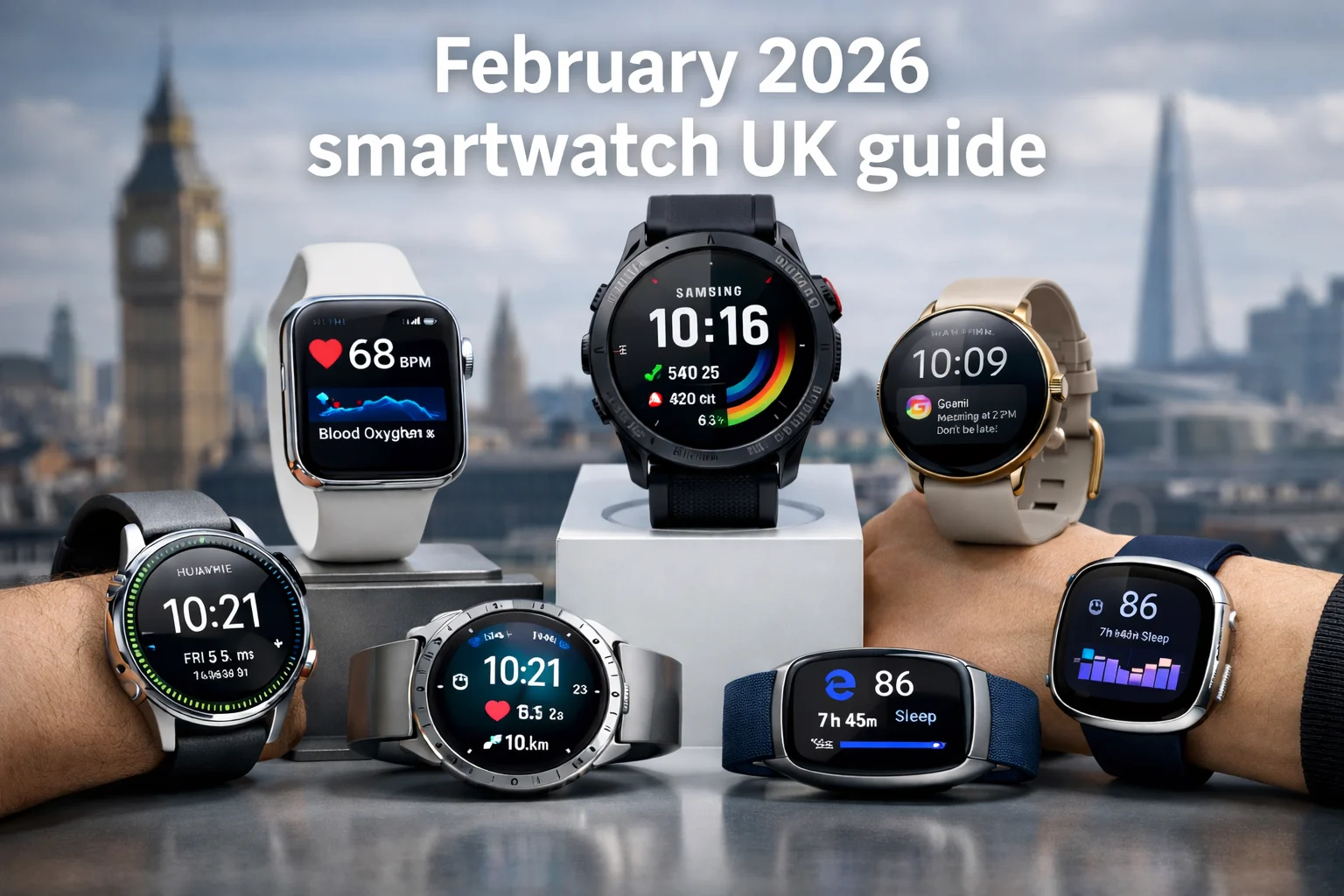
This February 2026 Smartwatch UK Guide details the evolving wearable technology sector, focusing on key features like health monitoring, battery performance, and connectivity. It provides practical advice for consumers in the United Kingdom, helping them select a device that aligns with their lifestyle and anticipated technological advancements.
For anyone considering a new wearable device, this February 2026 Smartwatch UK Guide offers insights into the prevailing trends and what to consider. Selecting a smartwatch requires evaluating advancements in health tracking, battery duration, and connectivity features.
The United Kingdom’s market for smartwatches continues to mature, with consumers seeking devices that offer more than just notification alerts. Our expert team has observed a consistent demand for integration with personal well-being routines and seamless interaction with other gadgets. This February 2026 Smartwatch UK Guide aims to simplify your decision process by highlighting areas that warrant attention as technology progresses.
📑 Table of contents
Anticipated Advancements in Smartwatch Technology for 2026
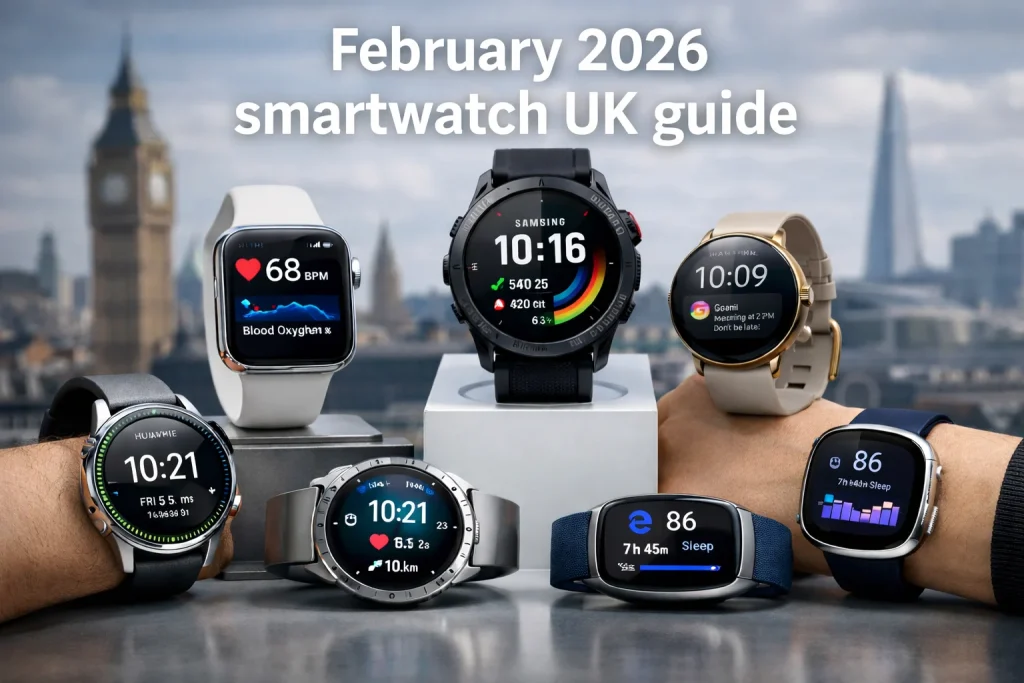
As we look towards February 2026, several technological areas are showing significant progress within wearable devices. These advancements directly influence the utility and overall user satisfaction of a smartwatch.
Enhanced Health and Wellness Monitoring
Health tracking capabilities remain a primary driver for smartwatch adoption. By February 2026, we expect to see even greater precision and variety in biometric sensors. This includes more accurate continuous glucose monitoring (non-invasive options are still under development but show promise), sophisticated blood pressure tracking, and advanced sleep analysis with clearer insights into sleep stages and potential disorders. Devices will likely offer more personalized feedback, moving beyond raw data to actionable recommendations tailored to individual user profiles. Our experience suggests that devices offering proactive health alerts will become more standard, contributing to preventative care. The February 2026 Smartwatch UK Guide highlights that these features are increasingly becoming a standard expectation rather than a premium addition.
Battery Life and Charging Innovations
Battery life often dictates user satisfaction. For the February 2026 Smartwatch UK Guide, we foresee continued improvements. While multi-week battery life on full-featured smartwatches remains a challenge, extended durations of several days for active users are becoming common. We also anticipate more efficient fast-charging technologies and potentially a wider adoption of alternative charging methods, such as solar or kinetic energy harvesting for minor power top-ups, extending time between conventional charges. These developments help reduce user friction and improve the device’s utility throughout the day.
Connectivity and Ecosystem Integration
By 2026, smartwatches will be more interconnected than ever. Support for advanced Wi-Fi standards and potentially even wider 5G standalone (SA) integration will ensure robust and consistent data transfer. The focus will be on seamless integration within broader device ecosystems, allowing easier data sharing with smartphones, smart home devices, and even automotive systems. This expanded connectivity also means improved cloud services for data backup and analysis. The February 2026 Smartwatch UK Guide recommends considering how a device integrates with your existing technology.
Key Considerations for Your February 2026 Smartwatch UK Guide Selection
When evaluating options available in the UK market by February 2026, specific criteria will help differentiate devices and align with your personal needs.
Design, Comfort, and Personalization
A smartwatch is a personal item worn daily. Its design, comfort, and the extent of its personalization options are highly relevant.
From our practical work with users, we know comfort for extended wear, especially during sleep or exercise, is important. Materials will continue to evolve, with an emphasis on durability, hypoallergenic properties, and sustainability. Manufacturers are increasingly offering customizable watch faces, straps, and even interchangeable bezels, allowing users to tailor their device to their style. The February 2026 Smartwatch UK Guide advises trying on different models to assess their fit and feel.
Software Experience and App Ecosystem
The operating system and available applications are at the core of a smartwatch’s functionality. A fluid, intuitive user interface (UI) and a rich app store that caters to various needs—from fitness and productivity to entertainment—are important. By February 2026, expect enhanced AI assistance built directly into the OS, offering proactive suggestions and streamlining daily tasks. Compatibility with third-party health platforms and data export options will also be significant. We often find cases where users benefit greatly from a device that offers robust third-party app support. This aspect is a main element of the February 2026 Smartwatch UK Guide.
Privacy and Data Security
As smartwatches collect increasingly sensitive personal and health data, privacy and security measures become paramount. Users should seek devices that offer strong encryption, transparent data handling policies, and granular control over what information is collected and shared. UK and EU regulations, such as GDPR, provide a framework for data protection, and reputable manufacturers adhere to these standards. Understanding how your data is managed is a simple yet necessary step. More information on data protection can be found on the Wikipedia page for Data privacy.
Comparing Smartwatch Categories for February 2026
The market offers various categories of smartwatches, each tailored to different user segments. Understanding these distinctions helps in making a suitable choice as part of this February 2026 Smartwatch UK Guide.
Fitness-Focused Smartwatches
These devices prioritize activity tracking, workout metrics, GPS accuracy, and heart rate monitoring. They often feature robust builds suitable for outdoor activities and extended battery life for longer training sessions. They are designed for athletes and individuals focused on maintaining an active lifestyle. Specific training modes, recovery metrics, and advanced performance analysis are typical offerings.
General-Purpose and Lifestyle Smartwatches
These offer a balanced blend of features, including health tracking, communication tools, and general productivity apps. They aim for broad appeal, often featuring more refined designs and extensive customization options. They connect seamlessly with smartphones for notifications, calls, and mobile payments. These devices are suitable for everyday wear and managing various aspects of life.
Luxury and Fashion-Oriented Smartwatches
While still offering core smartwatch functionalities, these models emphasize premium materials, elegant aesthetics, and brand prestige. They might integrate with specific fashion ecosystems or offer unique design collaborations. Their focus is often on appearance as much as, if not more than, advanced technological features, making them a statement piece.
| Category | Primary Focus | Typical User | Key Features |
|---|---|---|---|
| Fitness | Performance Tracking, Health Metrics | Athletes, Active Individuals | Advanced GPS, Heart Rate, Durability, Long Battery for Workouts |
| General-Purpose | Balanced Functionality, Connectivity | Everyday Users, Professionals | Notifications, Payments, Call Handling, Moderate Health Tracking |
| Luxury/Fashion | Aesthetics, Premium Materials | Style-Conscious Individuals | High-End Design, Customization, Basic Smart Features |
This table provides a concise overview to assist you with your February 2026 Smartwatch UK Guide considerations.
Tips practical from our team indicate that understanding your daily use pattern is the primary step before exploring specific models. Do you need a device primarily for running marathons, or for checking emails on the go, or simply as a stylish accessory? Your usage will guide your choice.
The wearable technology sector continues its steady progression. This February 2026 Smartwatch UK Guide aims to equip you with the knowledge to make a well-informed selection. By focusing on health advancements, battery improvements, connectivity, and suitability for your personal usage, you can confidently choose a device that serves your needs effectively for February 2026 and beyond.
FAQ
What are the main expected advancements in smartwatches by February 2026?
Main advancements include more precise health monitoring (e.g., improved glucose and blood pressure tracking), extended battery life, faster charging, and enhanced connectivity with broader device ecosystems.
How important is battery life for smartwatches in 2026?
Battery life remains important for user satisfaction. While multi-week durations for full-featured devices are still developing, several days of active use between charges are becoming standard. Fast charging and alternative top-up methods are also advancing.
Should I consider privacy when buying a smartwatch in the UK?
Yes, privacy and data security are very important. Look for devices offering strong encryption, transparent data handling policies, and control over your personal information, especially given UK data protection regulations.
What are the primary types of smartwatches available in February 2026?
The primary types are fitness-focused smartwatches for athletes, general-purpose smartwatches for everyday use, and luxury/fashion-oriented smartwatches emphasizing design and premium materials.
How can I ensure a smartwatch is comfortable for daily wear?
To ensure comfort, prioritize trying on different models to assess their fit, weight, and strap materials. Consider how the device feels during various activities and for extended periods.
What role does software play in my smartwatch selection for February 2026?
The software experience is central. A fluid user interface, a wide array of applications, and anticipated AI assistance will define the device’s utility and integration into your daily routines.
Will smartwatches for February 2026 have better health tracking?
Yes, smartwatches are expected to have greater precision in biometric sensors, offering more accurate and varied health data, including advanced sleep analysis and personalized feedback for well-being.

2 thoughts on “Your Authoritative February 2026 Smartwatch UK Guide”